Author: Jen

  • How to Start Investing in College (Even With a Small Budget)

    For many people in their twenties, investing can feel intimidating. It might seem too risky, too complicated, or like your budget is too small to make a real difference. These are all common feelings, but this post will help you move past them and show you how to start investing with confidence.

    1. Do not let your budget affect your effort to begin investing

    A couple of years ago, I read an article about young people giving up on investing because they thought small amounts, like $500, wouldn’t make a difference. However, that same $500 could nearly double in about 10 years, assuming a 7% average return. The earlier you start, the more time your money has to grow.

    2. Learn the basics

    Once you overcome that first hesitation, it’s time to understand the foundation. Investing is simply putting your money to work for you over time. When you invest, you buy assets like stocks, bonds, or funds that can grow in value or earn income.

    • Stocks: Partial ownership of a company.
    • Bonds: Loans to companies or governments that pay interest.
    • ETFs (Exchange-Traded Funds): Bundles of stocks or bonds you can invest in all at once, which are great for beginners.
    • Compound interest: When your earnings start earning more earnings over time.

    3. Use student-friendly investing platforms

    Several platforms are designed for beginners and students, offering low or no minimum balances. Some great options include:

    • Fidelity or Charles Schwab: Beginner-friendly with no minimums.
    • Vanguard: Great for long-term investors focused on ETFs or index funds.
    • Robinhood or Webull: Simple mobile apps (though avoid over-trading).
    • Acorns: Automatically invests spare change from your purchases.
    • SoFi Invest: Offers free education and sometimes cash bonuses for signing up.

    If you’re under 18, you can start with a custodial investment account with the help of a parent or guardian.

    4. Open a Roth IRA if you have income

    If you work part-time or have any earned income, a Roth IRA is one of the smartest investments you can make in college. You contribute after-tax money, so your withdrawals later are completely tax-free. Your money can grow for decades, and you can take out your contributions (not your earnings) anytime without penalty. Even investing $100 here and there can set you up for a strong financial future.

    5. Focus on index funds or ETFs

    Picking individual stocks might sound exciting, but most students are better off starting with index funds or ETFs that automatically spread your investment across many companies. This reduces risk and gives instant diversification.

    Some strong beginner ETFs include:

    • VTI (Vanguard Total Stock Market ETF): Invests in the entire U.S. market.
    • VOO (Vanguard S&P 500 ETF): Covers 500 major U.S. companies.
    • ITOT (iShares Core S&P Total U.S. Stock Market ETF): Another all-market option.

    With funds like these, you don’t need to constantly check prices or stress about short-term changes.

    6. Avoid common mistakes

    Investing is exciting, but it’s easy to fall into traps.

    • Avoid chasing “get rich quick” stocks or crypto hype. Slow and steady wins in the long run. For beginners, buying and holding is best. I don’t recommend options trading, and I don’t do it myself.
    • Don’t invest money you can’t afford to lose. It helps to have an emergency fund. Personally, I keep enough to cover about a month of expenses that’s easily accessible.
    • Don’t check your account every day. Investing is long-term. I check mine about once a month because I’m not planning to sell anytime soon.

    If you’ve made it this far and still feel hesitant, ask yourself – what do you really have to lose? You might say, “money,” and you’d be right. But taking that first step into investing changes how you think about money. For me, it helped me become less attached to it. It reduced the greed and fear that ruin so many investors.

    By taking a small risk early on, I learned lessons that made me a better investor today. I learned what works, repeated it, and stopped seeing investing as risky – it became rewarding. Yes, you can lose a little at times. I have, my family has, and my friends have too. That’s normal. What matters is learning from those experiences and growing through them.

    Starting small might feel insignificant, but it’s one of the most impactful choices you can make for your future self.


  • The Most Overlooked Factor When Choosing a College

    When choosing the college I was going to attend, the most important factor to me was cost. It was always my goal growing up to be able to affod college on my own, so affordability was key. When it came down to final decisions, I ended up going out of state because tuition was cheaper.

    Heres what I completely overlooked by choosing a college based on tuition costs:

    Location, and more specifically, the cost of living in that location.

    Duh. Why didn’t I think about this?

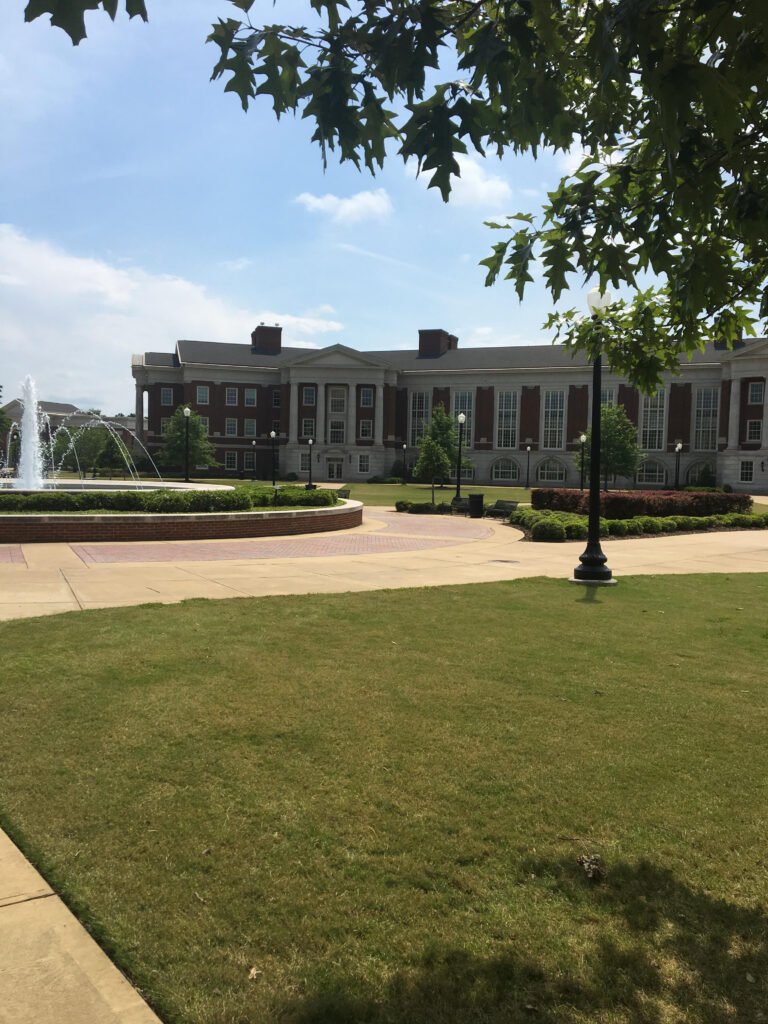
    Fortunately for me, I go to The University of Alabama.. Alabama has one of the lowest costs of living, so that really worked out in my favor.

    However, I know of others who chose their schools and have to eat up additional living costs due to the city they live in.

    Lets compare the University of Alabama, in Tuscaloosa, AL, to the University of Texas, in Austin, TX. I chose to compare UT Austin because I was about to choose it, and never even thought to check out the cost of living.

    Lets start in my scenario. I live around 10 minutes away from campus, in a 1 bedroom condo. While I do not pay rent, as it is owned, other units rent for $950/month for a 1 bedroom, around 900 SF. I believe this rent has gone up within the past year or two, but it’s still reasonable.

    Comparison time: a one bedroom apartment in Austin TX for student is 545 SF and costs $1785/month! AND it costs $150/month to park your car there (I don’t have to pay to park on my property! 🙂 woohoo )

    So, that’s over double what I would have to pay. Considering this over a course of three years, a student at UT Austin would pay around $35,460 more than I will. That’s a lot of money. That is just housing alone and does not account for other additional costs such as more expensive food, entertainment (oh – and probably having to pay for parking just about everywhere you go)

    If this number isn’t already enough of a disparity to you, lets see put this more in perspective.

    $35,460 is roughly equal to:

    -A 20% down payment on a $177,000 house (which is around the U.S. median for starter homes in some smaller cities).

    -About 70 average used car payments at $500/month (nearly six years of car payments).

    What if this amount was taken on by the student as debt? Here’s what it looks like over time:

    ScenarioLoan BalanceInterest RateTermMonthly PaymentTotal Paid
    Federal Loan$35,4605.5%10 years~$385~$46,200
    Private Loan$35,4607%10 years~$410~$49,200

    So, that extra $35k to sleep in a shoebox could easily cost $10–15k more in interest by the time it’s paid off, meaning they’re really paying $45–50k total for living in a more expensive area.

    What if this cash was instead invested by the student starting at 22? Here’s what it would look like:

    Average Annual ReturnValue at Age 42 (20 years later)Value at Age 62 (40 years later)
    6%$113,700$364,000
    8%$165,700$759,000
    10%$234,600$1,540,000

    So, that “extra” cost of attending a different college doesn’t just cost $35,460 today… it can cost hundreds of thousands, to over a million, in lost future wealth if it prevents early investing.

    With this said, I highly encourage everyone to check out what the cost of living looks like in the area you are interested. I would say the best way to start is just take a look at the cost of apartments in the area to gauge how expensive it could be after you move out of your dorm. It’s also a great idea to reach out to a student at that university as they can give you a heads up on some unforeseeable costs. Another resource I found is https://www.bankrate.com/real-estate/cost-of-living-calculator/. This website can allow you to compare a new city to your current town to see how your current financial situation would look in a different city.

  • College Reflection and The Changing Value of Education

    Going into college, I always heard that freshman year would be the hardest. Looking back, it was actually one of the most fun and fulfilling years of my life. While the classes were challenging, emotionally I felt steady and motivated. I expected to get homesick, but I didn’t. I was completely focused on being the best student I could be. I felt connected to the student body, passionate about my studies, and excited about what lay ahead.

    Now, as a senior, my thoughts on college have shifted. Over the last four years, so much has changed—both in my own life and in the world. It’s been eye-opening to see how quickly everything can evolve.

    When I started college, ChatGPT had just been released. I thought of it as a neat assistant..nothing more. But it didn’t take long before I realized it was far more than that. The rise of AI caused a major shift in the job market. Majors that once guaranteed high-paying jobs, like computer science, suddenly became uncertain. At first, I even took coding classes myself, only to realize AI could already do much of what I was learning, faster and better. So instead of resisting it, I adapted. I learned how to use AI as a tool to make my work easier and more efficient. Around me, I saw classmates switching majors or planning to pursue higher education as a safety net—master’s degrees, law school, MBAs—anything to stay competitive.

    This led me to think about the bigger picture. I was raised in a community where college was not just encouraged, it was expected. Everyone went, no questions asked. Everyone encouraged me to go, except my dad (who went himself). He was the one person who raised concerns. He always said that too many people go to college only to end up with massive debt and jobs that don’t require their degrees. And honestly, he had a point. Nearly half of college graduates work in jobs unrelated to their majors. So why spend years in debt chasing a piece of paper that may or may not improve your life?

    The same goes for graduate school. Today, there are countless online MBA programs promising career changes and pay raises. While that might be true for some, many of these programs have become oversaturated, which ultimately dilutes the value of the degree. And with online programs, students lose one of the most valuable parts of an MBA experience.. networking.

    I know I’m not the only one who sees this shift. When our parents went to college, degrees almost guaranteed good jobs. But the world has changed. The opportunities that existed for them don’t necessarily exist for us. Through my work experience, I’ve seen firsthand that a degree doesn’t guarantee a dream job, or even a stable one. I’ve witnessed mass layoffs and unhappy coworkers who followed every “rule” they were told would bring success. One thing I’ve learned for certain: it’s up to you to make your own opportunities.

    I think Gen Z will develop a mild resentment toward college, and admissions rates will likely drop in the coming years, especially with declining birth rates. Ironically, that might make degrees more valuable again someday. Time will tell.

    During college, I also started a couple of small businesses. To be blunt, if I had spent as much time on my businesses as I did on classwork, homework, and studying, I’m confident I’d be earning at least double what I’ll make after graduation. Maybe even triple. That’s a hard realization. My student responsibilities have sometimes felt like they were holding me back, but that’s about the extent of my complaints.

    Because despite everything I’ve said, I am deeply thankful for my college experience. It’s given me so much more than just academic knowledge. I’ve learned how to communicate better, present confidently, and think critically. I’ve met incredible people, funded my businesses through competitions, built savings, and gained valuable internship experience that has set me up for the future.

    So yes, I may sound conflicted, but maybe that’s the point. College has its flaws, but it’s also been a launchpad. It taught me that success isn’t about what degree you get—it’s about what you do with it. The cream always rises to the top. College gave me the confidence to know I can learn and do anything. And that belief is worth more than any single class or grade.

    I’ll admit, I don’t always know exactly what I’m doing. But I always figure it out. And that process, of figuring things out, is where I thrive. That’s what keeps me going.

    If you’re at a crossroads, trying to decide whether college is right for you, think carefully about what you truly want for your future. If you don’t have a strong passion for your field—or if you’re going just to go—pause and reevaluate. College can be an incredible investment, but only if you know what you want out of it.

  • Side Hustles That Don’t Interfere With Your Classes

    Balancing schoolwork with a side hustle can feel impossible, but it doesn’t have to be. The key is choosing ventures that fit your schedule, help you build skills, and don’t burn you out. Over the past eight months, I’ve been running a small online design business while taking a full course load in engineering, and it’s taught me a lot about managing priorities and finding opportunities that actually work with my schedule.

    Here are some side hustles that work well for busy students:


    1. Freelance Design or Digital Services

    If you have creative skills like graphic design, illustration, video editing, or even simple social media content creation, freelance work can be highly flexible. Platforms like Fiverr, Upwork, Freelancer, 99designs, and Etsy allow you to set your own deadlines and take on projects that fit your schedule. You can start with small tasks and gradually take on more as you gain experience.

    Why it works: Freelance work is project-based, so you control how much time you invest. Each project also helps you build a portfolio that can be useful for future opportunities, whether in creative industries or even in technical fields where visual presentations matter.


    2. Tutoring or Teaching Online

    Helping other students in subjects you excel at is another great option. You can tutor in-person or online through platforms like Tutor.com, Varsity Tutors, Preply, or even through your university and Facebook student groups. Tutoring doesn’t just help others—it reinforces your own knowledge and strengthens communication skills, which are valuable in any career.

    Why it works: Tutoring is highly flexible because you can schedule sessions around your classes. It can also be a source of consistent income once you build a regular client base. Some platforms allow you to set your own rates, and private sessions can pay particularly well.


    3. Selling Digital Products

    Digital products such as printables, templates, logos, study guides, or planners can be sold online with minimal ongoing effort. Once created, they continue to generate income without constant active work. Platforms like Etsy, Gumroad, Creative Market, and Shopify make it easy to reach customers worldwide.

    Why it works: This model is essentially “create once, earn repeatedly,” making it perfect for students. You can work in short bursts, then focus on schoolwork while the products continue to sell. It’s also a way to scale your income over time without needing more hours in your day.


    4. Content Creation

    Blogging, YouTube, or social media accounts focused on a topic you’re passionate about can eventually turn into income through ads, sponsorships, or affiliate links. Even if income is slow at first, content creation helps you develop skills in writing, video production, branding, and marketing. Platforms like YouTube, Instagram, TikTok, or Pinterest can help you reach an audience.

    Why it works: Content creation is flexible—you decide when and how much to post. It also builds your personal brand, which can open doors to future professional or entrepreneurial opportunities.


    5. Campus-Based Gigs

    Many colleges and universities hire students for on-campus jobs that are structured around class schedules. Positions may include research assistant, lab assistant, library help, student ambassador, IT support, or administrative roles. Some campuses even hire students to help with event planning, or marketing for student organizations. These roles often come with predictable, set hours, a steady paycheck, and the added benefit of experience that can be listed on your resume.

    Why it works: Campus-based work is designed for students, so it rarely conflicts with your academic responsibilities. It also allows you to build professional connections within your school and gain experience relevant to your field of study.


    Tips for Balancing a Side Hustle With Classes

    • Plan your week: Map out your class schedule, study sessions, and work hours. Treat your side hustle like a scheduled class to ensure consistency.
    • Start small: Begin with manageable projects or hours, then scale as you become more comfortable balancing both responsibilities.
    • Set boundaries: Avoid letting work eat into essential study or rest time. Your education should remain a priority.
    • Leverage downtime: Use breaks between classes, weekends, or quieter evenings to tackle smaller tasks or plan ahead.

    Final Thoughts

    Having a side hustle in college isn’t just about earning money. It teaches discipline, time management, and real-world skills that complement your degree. The right hustle can fit around your classes, build confidence, and even support your financial goals.

    If you’re thinking about starting a side hustle, my advice is to start with what you enjoy, plan carefully, and stay consistent. Even small steps can lead to meaningful results without interfering with your education.

  • Lessons Learned from Running a Small Business in College

    Going into college, entrepreneurship always piqued my interest. I have always enjoyed seeing my work pay off and knowing I directly contributed to it. About eight months ago, I started an online design business offering digital products for individuals and small businesses.

    I have always had a creative side, but I never realized I could turn that passion into something other people would value. Starting this venture has been both rewarding and eye-opening. It has improved my outlook on what it means to be a small entrepreneur and taught me lessons I never expected to learn so early in life.

    In just eight months, my small business has grown enough to support my personal financial needs. While I am excited about the possibility of reaching six figures in revenue by the end of the year, I try to stay focused on the bigger picture: growth, consistency, and learning along the way.

    I encourage anyone in college to take time to reflect on their passions, even if it is something you only feel “slightly good at.” With some patience and effort, you may be surprised by what you can build. Here are a few lessons I have learned so far:

    1. Time management is everything
    Balancing a business with engineering coursework is not easy. Between labs, exams, and client projects, I quickly realized how important it was to prioritize and plan ahead. I had to get comfortable saying no when I did not have the bandwidth and treating deadlines for school and clients with equal importance.

    I like to think of time as a pie chart. We each have twenty-four hours. Once I accounted for class, assignments, sleep, cooking, and other essentials, I started to see where I was inefficient. From there, I carved out space for my business.

    2. Working with clients builds real-world skills
    In school, projects often stay within the classroom. Running a business, however, means working with real people who depend on you to deliver. Every client has different needs, styles, and communication preferences. Learning to listen, adapt, and meet expectations sharpened my communication and problem-solving skills.

    As an engineering student, my classes are not always people-focused. Because of that, I found this experience especially valuable. It helped me develop skills that I can carry into any professional environment.

    3. Building something from scratch is empowering
    There is something incredibly rewarding about taking an idea and making it real. My business started small, but over time I built systems, improved my designs, and gained confidence in what I was offering.

    This journey taught me that you do not need to wait until after graduation to create something meaningful. In fact, I believe there is no better time than now. The process gave me confidence that has carried over into other areas of my life as well.

    4. Side hustles can strengthen your future
    Running a business in college is not just about earning extra money, although that certainly helps. It is also about gaining experience, building new skills, and showing yourself that you can create opportunities outside of the classroom.

    In my case, this business gave me financial stability but also a deeper sense of independence and resilience. It is something I can point to in interviews or on a resume, and I know it reflects initiative and adaptability.

    Final Thoughts

    Running a small business while being a full-time student has required long nights and discipline, but it has been worth it. It has taught me adaptability, responsibility, and confidence in my ability to face challenges.

    If you have been thinking about starting a side hustle in college, my advice is simple: go for it. Start small, stay consistent, and be willing to learn as you go. You never know where it might take you.

  • Welcome to My Journey: College, Projects, and Financial Independence

    Hi, I’m Jen, a chemical engineering student at the University of Alabama. Growing up on a small ranch taught me resourcefulness, curiosity, and the value of hard work—lessons that have guided me through college and beyond. Those early experiences inspired me to pursue engineering and shaped the way I approach challenges in both my studies and personal projects.

    I started this blog to share my journey, the lessons I’ve learned along the way, and practical tips that I’ve found helpful for students, aspiring engineers, and anyone interested in building their future. Here, you’ll find insights on everything from college projects and internships to financial planning, side hustles, and entrepreneurship.

    In addition to my studies, I run a small design business, helping both individuals and business owners bring their creative ideas to life. Balancing school, projects, and a business has taught me a lot about time management, adaptability, and turning skills into opportunities—lessons I hope to share with you here.

    One of the things I’m most proud of is setting up my financial future while still in college—including saving my first six figures. I want to show you how I achieved this, the mindset it took, and actionable strategies that can help you build your own financial foundation early.

    Beyond finance and business, I’ll share behind-the-scenes looks at the projects I’ve been working on in college, lessons in adaptability and problem-solving, and other tips for navigating student life. My goal is to give you a mix of inspiration, practical advice, and a glimpse into the daily grind of balancing school, projects, and personal growth.

    Thank you for stopping by! I’m excited to share this journey with you, and I hope you find ideas, motivation, and value in what I post. Follow along—there’s a lot more coming, and I can’t wait to share it with you!

    Roll Tide!